
Bhutan Festivals
Where Spirituality Dances — Experience Bhutan’s Living Heritage through Its Festivals.
Bhutanese festivals, or tsechus, are vibrant celebrations of the country’s Buddhist heritage, held in every district to honor Guru Rinpoche, who introduced Buddhism to Bhutan in the 8th century. These events, lasting up to four days, feature sacred masked dances performed by monks and locals, believed to bring spiritual blessings and enlightenment. Tsechus are not only religious but also major social gatherings. People dress in their finest clothes and jewelry, bring packed lunches, and spend the day at dzongs or monasteries. Monks prepare for weeks through prayer and meditation before performing the dances.
These festivals are a living tradition that pass down Bhutanese values, myths, and spiritual teachings through dance dramas. Many conclude with the unveiling of a large silk thangkha depicting Guru Rinpoche or other deities. With deep devotion and a carnival-like atmosphere, tsechus bring together communities in a meaningful and joyful celebration.
Bhutan Festival by Popularity
The Paro and Thimphu Tshechus are two of Bhutan’s most loved festivals, and it’s easy to see why! Both are just a short drive from Paro Airport, so you can enjoy an exciting four-day trip focused on the festival itself. Festivals in eastern Bhutan require a longer stay of around 10 days because of travel distances. Plus, these festivals happen in spring and autumn—the perfect times to visit Bhutan when the weather is lovely and the scenery is breathtaking.
We recommend booking at least six months in advance to secure your spot. While it’s possible to find last-minute accommodations, the best hotels and guides get booked fast during these festivals. If you want a quieter experience, consider visiting some of Bhutan’s other amazing but less crowded festivals.
Festivals in Bhutan We Strongly Recommend
There are several festivals that we truly enjoy, which tend to be smaller in scale, less crowded, and often held in more remote locations. While they don’t attract the large crowds of Paro Tshechu and Thimphu Tshechu, these festivals offer a more authentic and intimate cultural experience.
Royal Highland Festival (Laya)
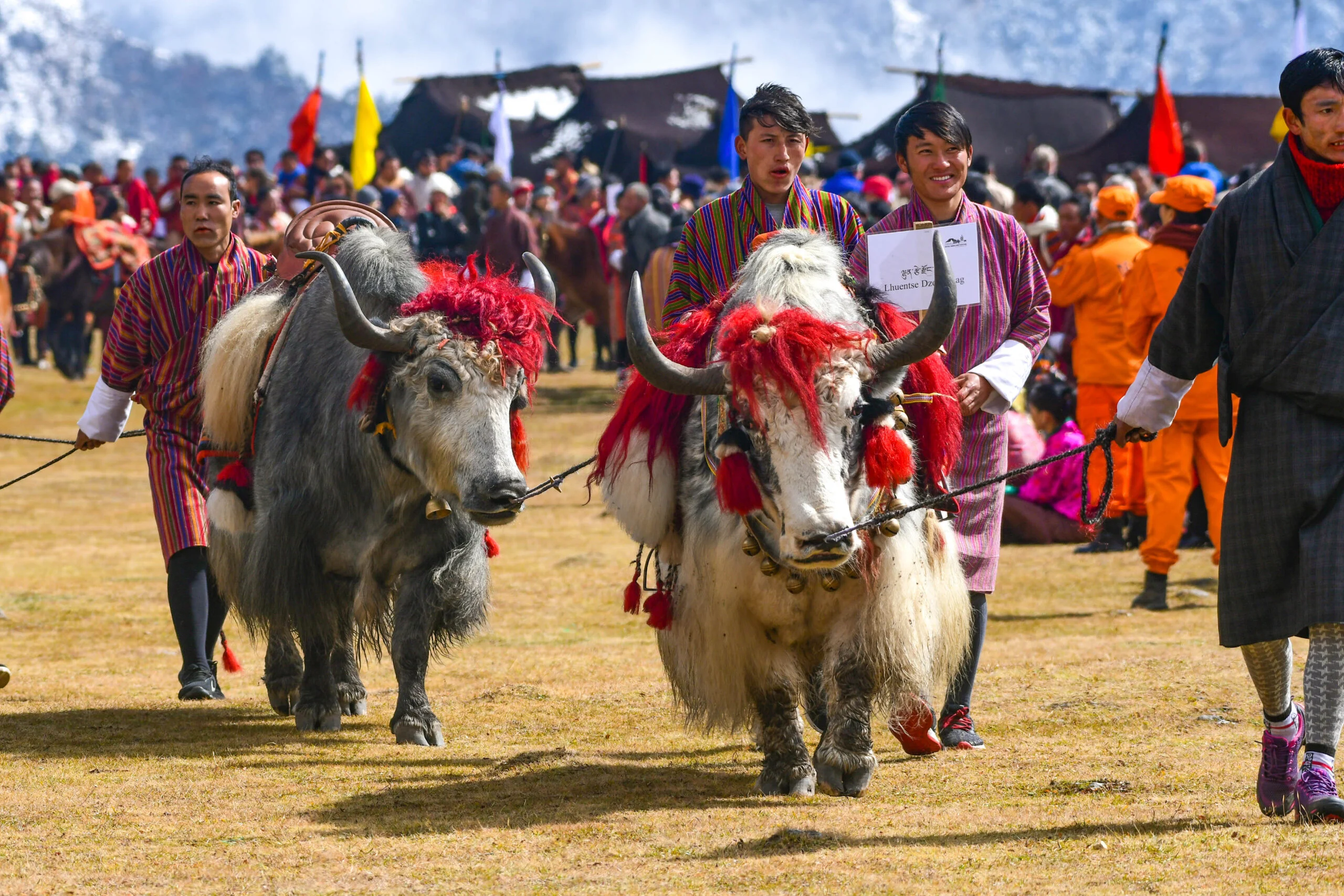
~ Held at an impressive altitude of 4,000 meters, this festival was launched by His Majesty the King on October 16, 2016, to celebrate the birth of HRH the Gyalsey. It provides visitors with a rare opportunity to experience the lifestyle and traditions of the highlanders from nearby villages. Set on a plateau with sweeping views of the Himalayas, guests stay in tents provided by the nomadic people of Lunana and Laya, exploring the highlands and engaging closely with the local communities. Attendance is limited to about 200 people annually, making it a truly unique and personal experience.
Punakha Tshechu (Punakha)
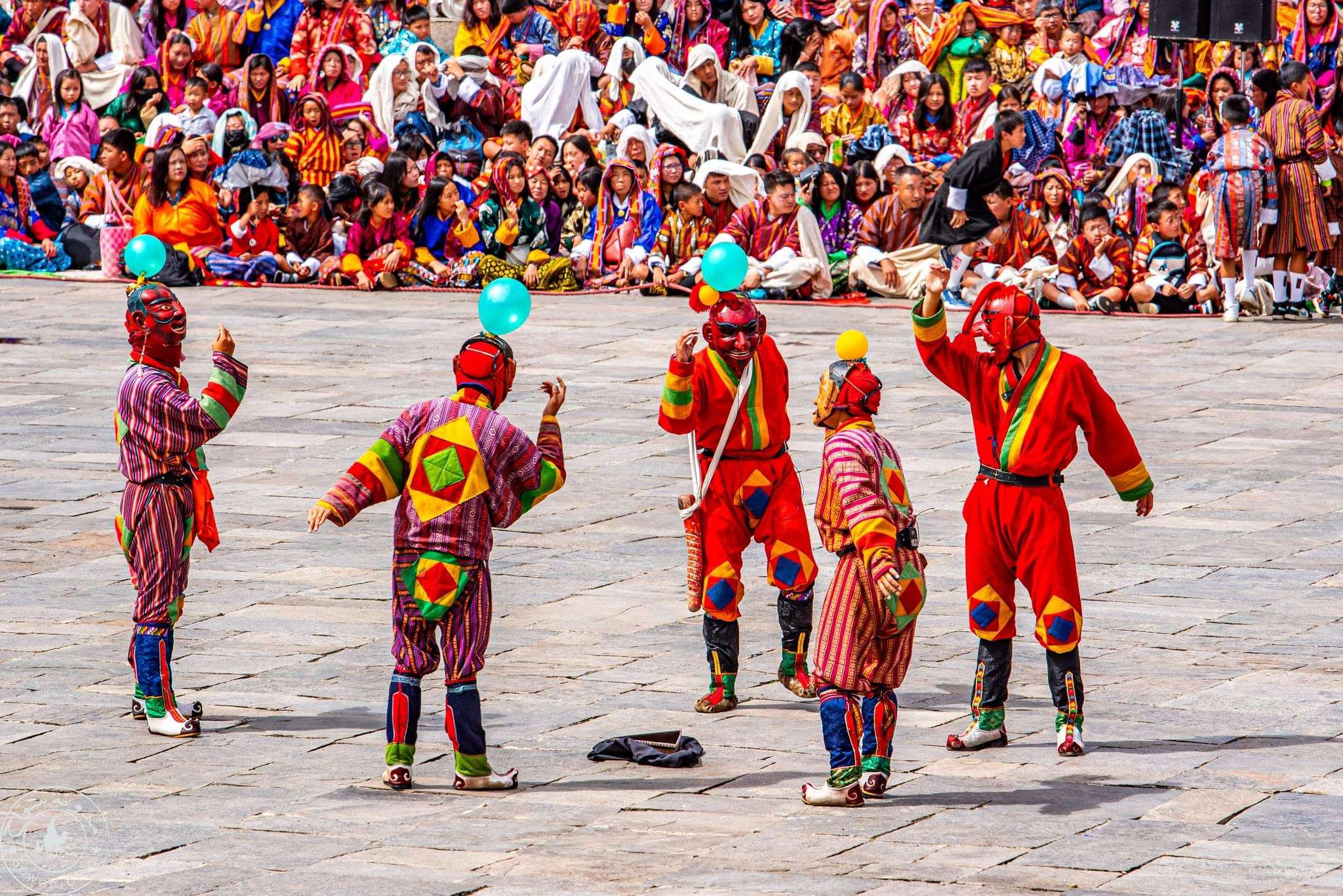
~ This lesser-known festival takes place in the beautiful Punakha Valley towards the end of winter, when the weather is mild and pleasant. It dramatizes the historical story of how Bhutanese forces cleverly defended against Tibetan invaders during the era of Zhabdrung. Participants dress as ancient warriors and horsemen, reenacting the battles at the impressive Punakha Dzong.
Druk Wangyel Tshechu (Punakha, Dochula Pass)
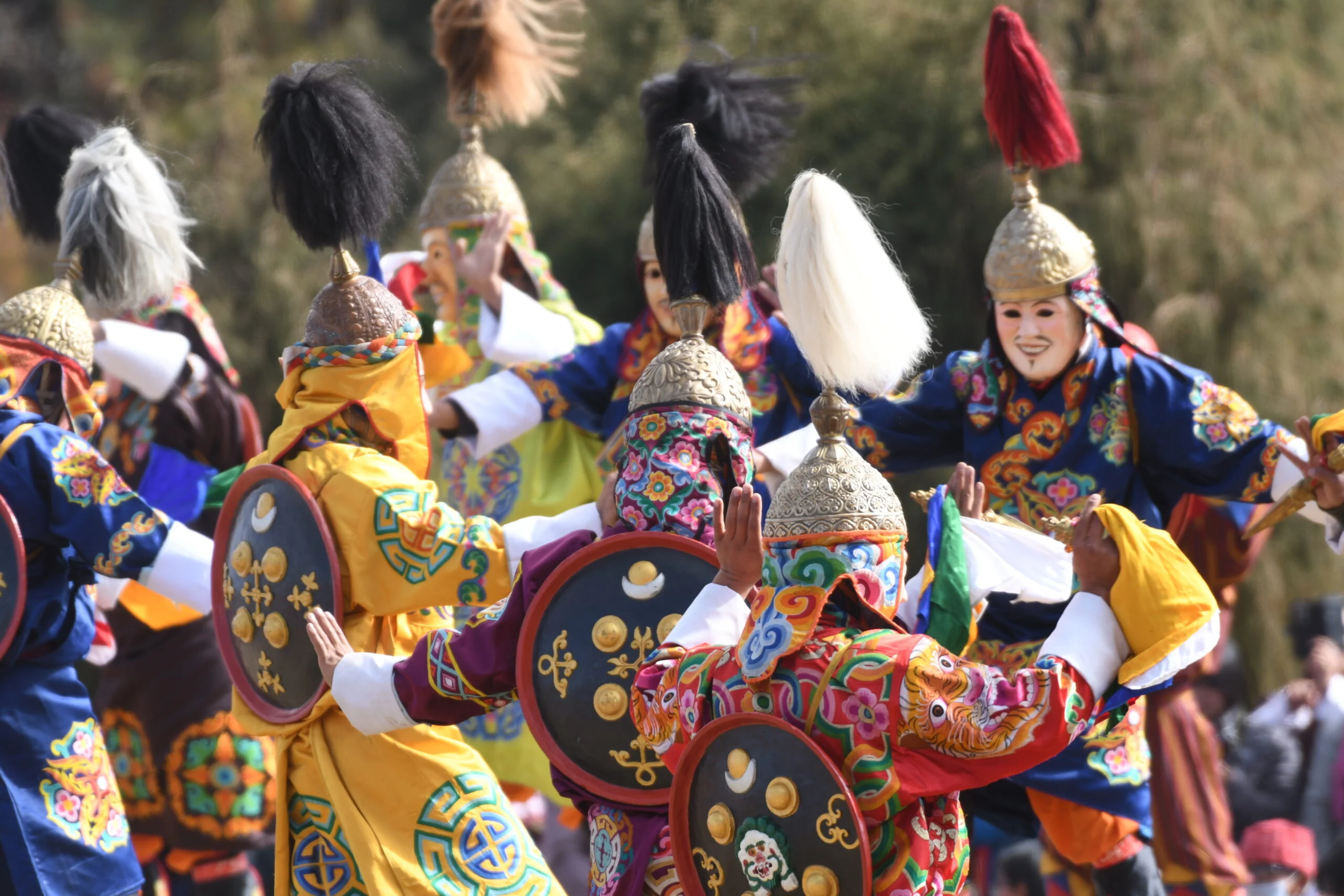
~ A distinctive festival in Bhutan’s calendar, the Druk Wangyel Tshechu differs from traditional dzong festivals, which were established by Zhabdrung and usually performed by monks. Instead, this festival, created by Dasho Karma Ura, is performed by soldiers. Held annually on December 13th, it commemorates the successful removal of militia forces from southern Bhutan and is attended by members of the royal family and political leaders.
Talo Tshechu (Punakha)
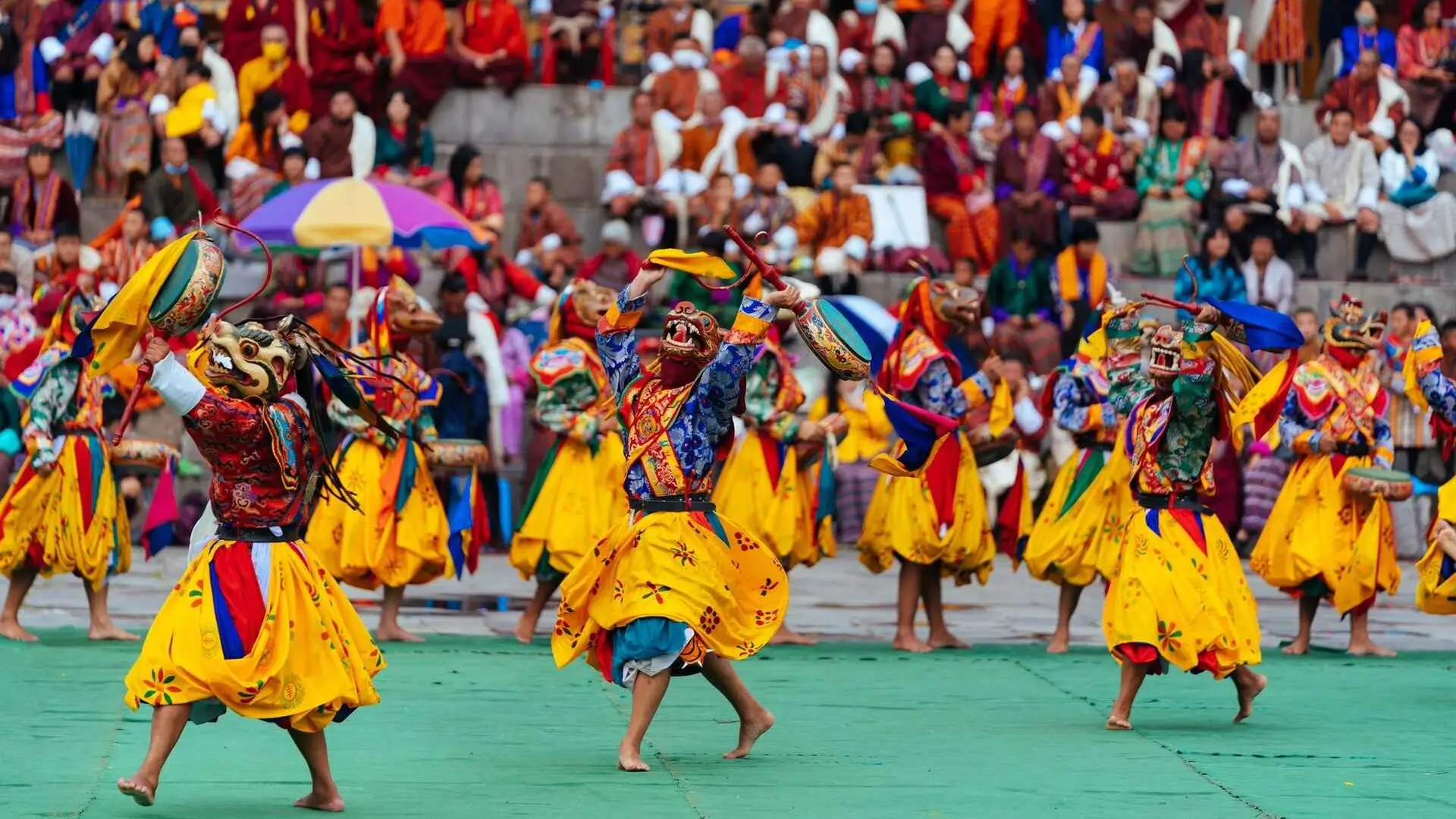
~ This small, intimate festival is celebrated by the villagers of Talo and nearby communities in the Punakha valley. Located just a two-hour drive from Thimphu, it is highly accessible and cherished for its local atmosphere and close-knit community feel.