Bhutan Travel Guide: Discovering the Land of the
Thunder Dragon
Updated on 07/October/2024
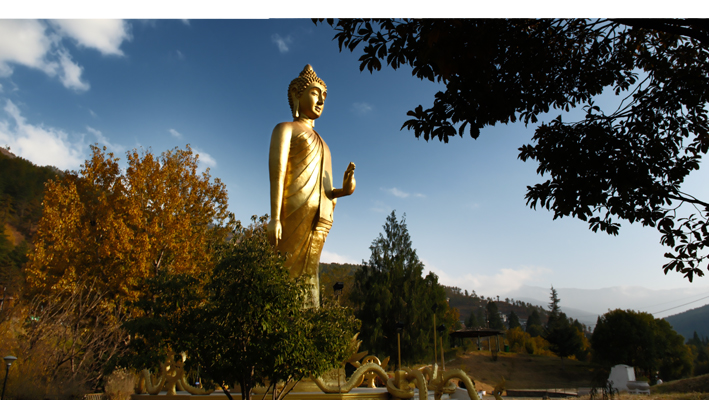
Bhutan, known as the "Land of the Thunder Dragon” is a mystical Himalayan
kingdom that offers a unique and enriching travel experience. With its
preserved culture, breathtaking landscapes, and commitment to Gross National
Happiness (GNH), Bhutan stands apart as a destination that prioritizes
well-being and sustainability. In this travel guide, we will explore:
Independent Travel to Bhutan - Do You Need to
Engage a Tour Operator to Visit Bhutan?
As of 2024, tourists are no longer required to book their trips to Bhutan
through licensed tour operators. This change gives travelers more
flexibility in planning their own itineraries, arranging transportation, and
booking accommodations independently. However, certain requirements still
apply to ensure responsible tourism:
Sustainable Development Fee (SDF): All tourists must pay the SDF of
USD 100 per night, which supports Bhutan's conservation and sustainable
development efforts. This fee is paid during the visa application process.
Guided Travel: Although independent travel is now possible, tourists
must still have a licensed guide when traveling outside of the main areas of
Paro and Thimphu, particularly if entering Bhutan through land borders or
visiting restricted areas.
Visa Process: Visas can now be applied for online without the need for
a tour operator. Tourists are required to provide basic details, including
passport information and dates of stay, and pay both the visa fee and the
SDF during the e-visa application.
While independent travel is allowed, many travelers still choose to use
reliable tour operators like Druk Asia for ease and expert guidance,
especially for longer trips or treks in more remote regions of Bhutan.
Best Time to Visit Bhutan
Each season in Bhutan unveils a distinct layer of beauty, making it a
captivating destination no matter the time of year. The country's diverse
climate varies with altitude, adding even more depth to the experience.
In the lower valleys, Spring (March - May) bursts with bright colors
as flowers bloom, while the higher regions remain cool and crisp. Summer
(June - August) brings lush, vibrant greenery, especially in the
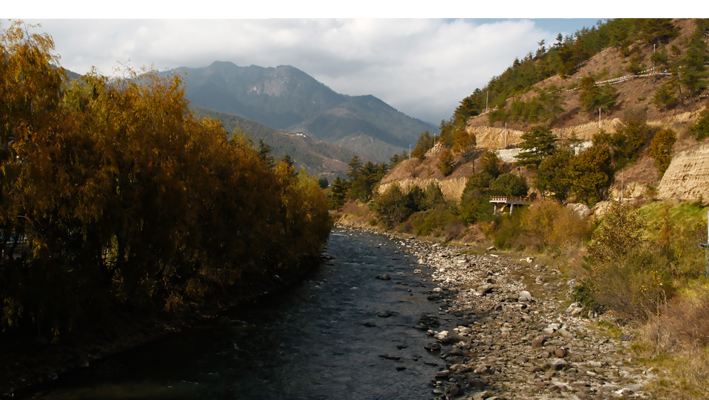
lower elevations, while the mountains stay refreshingly cool. Autumn or
Fall (September to November) casts a golden glow across the
landscape, offering mild, pleasant weather in most areas. Winter
(December to February), with its crisp air, blankets the higher
altitudes in snow, while the lower valleys remain more temperate. Bhutan’s
natural allure changes with the seasons and the altitude, ensuring that
whenever you visit, your journey will be filled with wonder, discovery, and
a deep connection to the beauty that unfolds before you.
The best time to visit Bhutan largely depends on what experiences you seek,
as each season offers its own unique charm. However, the most popular months
are from March to May and September to November. During these
periods, the weather is mild, the skies are clear, and the landscapes are at
their most vibrant, making it ideal for trekking, sightseeing, and
participating in Bhutan’s famous cultural festivals. These months also offer
the opportunity to witness some of Bhutan’s most vibrant religious and
cultural festivals, making them the ideal times for a well-rounded visit.
🌸 Highlights of Spring in Bhutan
(March, April, May)
- Ideal Time for Nature Lovers (Late April to May): The
valleys come alive with a stunning array of flowers, including
the renowned rhododendrons and various wildflowers.
- Jacaranda Bloom at Punakha Dzong (Mid-May): Experience
the breathtaking sight of the Jacaranda trees in full purple
bloom around this iconic fortress.
- Gomkora Festival in Trashigang: Witness this unique
festival filled with religious dances and deep cultural
significance, offering a glimpse into Bhutan's spiritual
traditions.
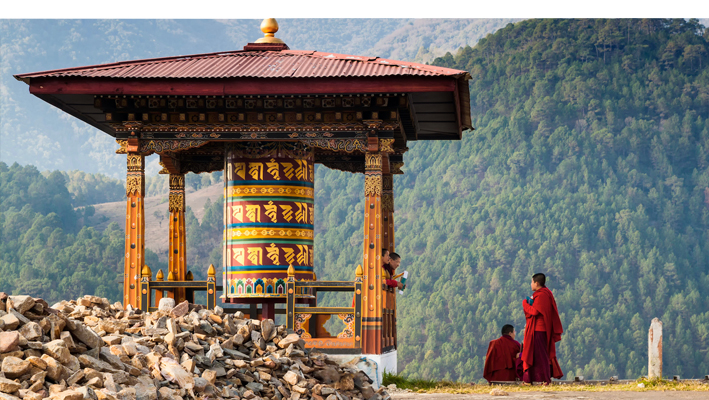
- Paro Tshechu (Early April): A vibrant cultural festival
showcasing masked dances and traditional music, with a potential
opportunity to meet the King of Bhutan, who often
attends.
- Jomolhari Trek & Drukpath Trek (Mid-April to End-May):
Perfect for adventure seekers, these treks offer challenging
trails and stunning views of Bhutan’s pristine natural
landscapes.
- Visit Local Markets: Discover Bhutan's spring harvest
and engage with local artisans at the Centenary Market,
experiencing authentic Bhutanese craftsmanship.
- Community-Based Tourism: Participate in enriching
activities such as farm house visits and traditional cooking
classes to immerse yourself in Bhutanese culture and everyday
life.
- Birdwatching Paradise: Spring is the best time to
observe Bhutan’s diverse birdlife, especially in the subtropical
forests, making it a must-visit for bird enthusiasts.
☀️ Highlights of Summer in Bhutan
(June, July, August)
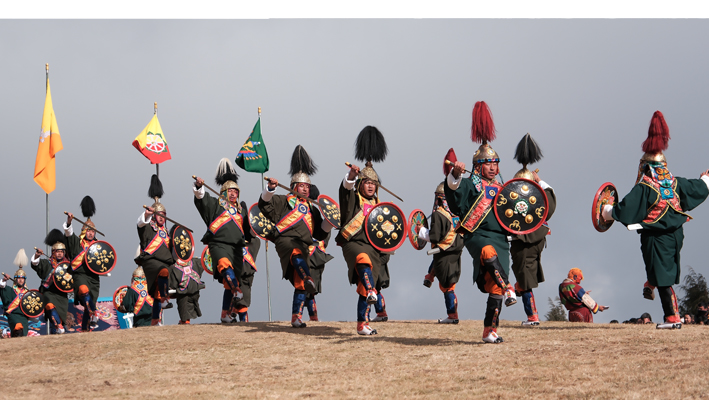
- Nimalung Tshechu (June): A vibrant festival filled with
colorful costumes, traditional dances, and music, celebrating
Bhutanese culture and heritage.
- Kurjey Tshechu (Late June): Held at the sacred Kurjey
Lhakhang, this spiritually significant festival honors Guru
Rinpoche, offering a deeply enriching cultural
experience.
- Lush Green Valleys and Forests: Summer transforms
Bhutan’s landscapes into a lush, green paradise, perfect for
exploring its vibrant flora.
- Gangtey/Phobjikha Valley:Explore Gangtey, also known as
Phobjikha Valley, a serene glacial valley in central Bhutan, is
renowned for its pristine beauty and rich biodiversity. Nestled
at an altitude of around 3,000 meters, it is a haven for nature
lovers and wildlife enthusiasts alike. The valley is especially
famous as the winter home of the endangered black-necked cranes,
which migrate here from Tibet between late October and early
March, making it a key conservation area.
- River Rafting: Experience thrilling river rafting on
the Mo Chhu or Pho Chhu rivers, which offer both peaceful floats
and exhilarating rapids.
- Summer Treks: Trek through lower-altitude regions like
the Bumthang Owl Trek, which becomes more accessible and vibrant
in the summer season.
- Post-Rain Beauty: Capture stunning photos of Bhutan’s
lush landscapes and unique architecture, especially in the clear
morning light following summer rains.
- Tiger's Nest Monastery (Taktsang): Visit the iconic
Tiger's Nest Monastery during the quieter summer months,
enjoying fewer crowds and misty, atmospheric views.
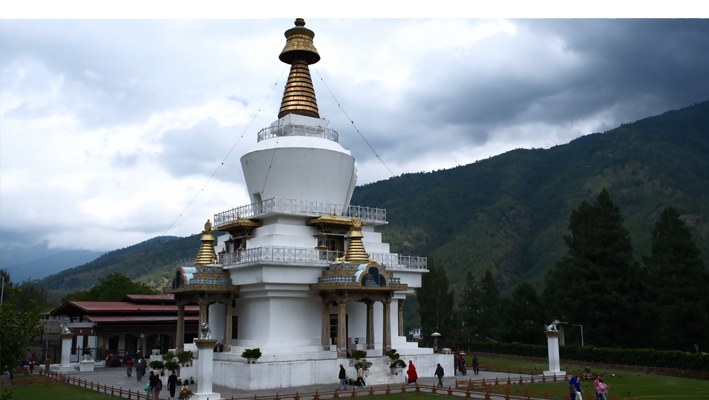
🍁 Highlights of Autumn/Fall in Bhutan
(September, October, November)
- Thimphu Tshechu (Late September or Early October):
Witness the grandeur of Bhutan's rich cultural heritage in the
capital city, featuring traditional dances and religious
performances.
- Wangdue Phodrang Tshechu: Coinciding with Thimphu's
festival, offering a chance to experience two major Bhutanese
festivals in a single trip.
- Jambay Lhakhang Drup (October): A mystical festival in
Bumthang, known for its unique "Mewang" (fire ceremony) and the
"Tercham" (dance of the treasure discoverer).
- Golden Harvest Season: Capture the stunning golden hues
of Bhutan's terraced rice fields during the harvest
season.
- Gangtey/Phobjikha Valley: Visit the "Switzerland of
Asia," with breathtaking landscapes and abundant wildlife for
nature photography.
- Black-Necked Crane Festival: Stay with a local family
in Phobjikha Valley and participate in this festival celebrating
the endangered black-necked cranes, supporting local
conservation efforts.
- Ideal Trekking Weather: Enjoy clear skies and moderate
temperatures, perfect for trekking in the Himalayas. Find out
more about the trekking packages in Bhutan.
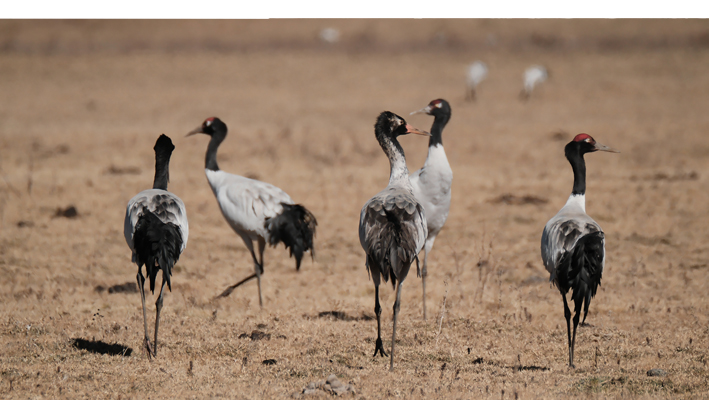
❄️ Highlights of Winter in Bhutan
(December, January, February)
- Phobjikha Valley: Witness the majestic black-necked
cranes that migrate to the valley during the winter months,
offering a rare wildlife viewing experience.
- Punakha Dromche & Tshechu (February): A vibrant
week-long celebration in the ancient capital, showcasing
religious dances and grand processions at the stunning Punakha
Dzong.
- Trongsa Tshechu: A more intimate festival held at the
Trongsa Dzong, renowned for its elaborate costumes and
captivating traditional performances.
- Photography and Sightseeing: Capture breathtaking views
of the Himalayan mountains under clear winter skies.
- Snow-Covered Paro and Thimphu: Explore the beauty of
Paro and Thimphu, which may be adorned with a picturesque layer
of snow in January or February.
- Monasteries and Dzongs: Visit local monasteries and
dzongs to observe monks engaged in their peaceful winter
rituals.
- Community-Led Winter Activities: Participate in
traditional winter experiences such as hot stone baths, which
are especially comforting during the colder months.